Your newsletter digest — June 11, 2026
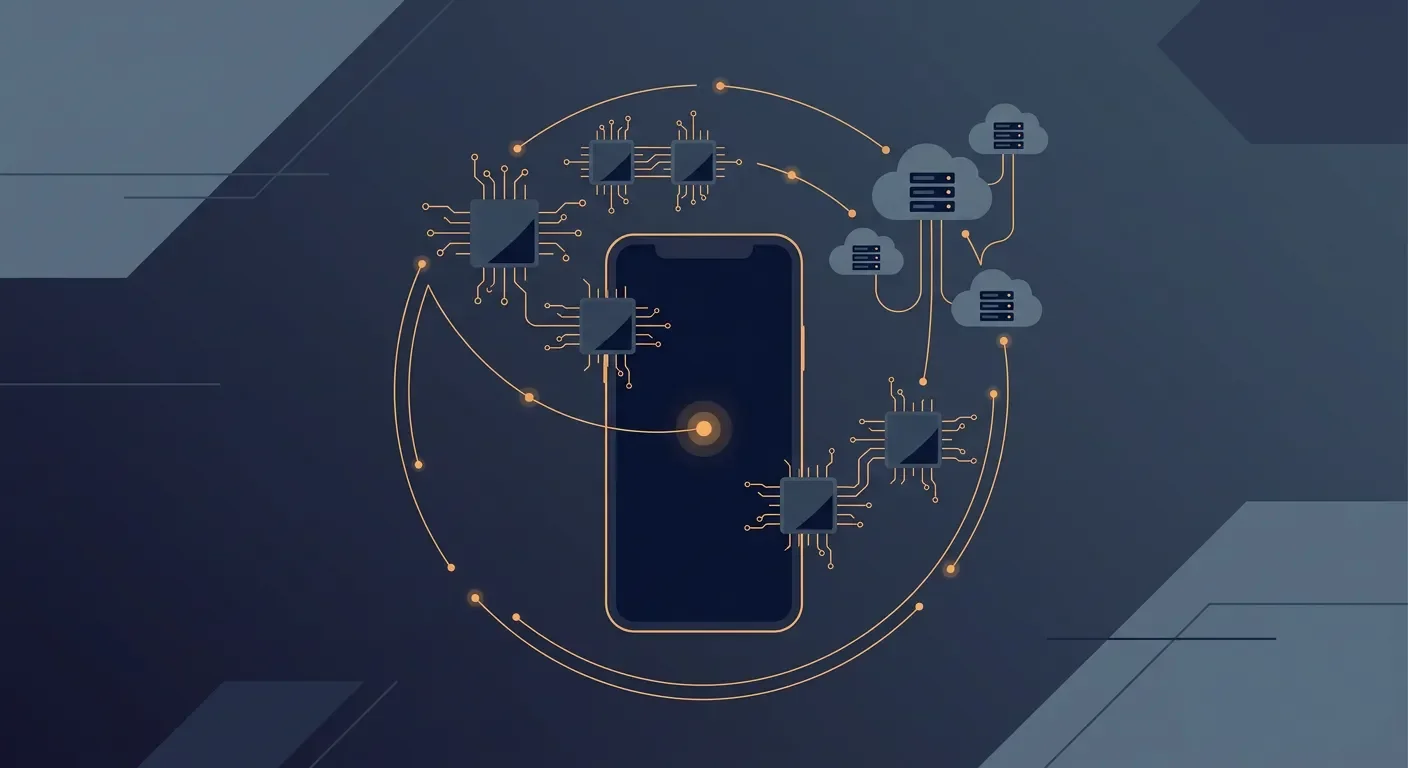
One source today: Ben Thompson interviews Ben Bajarin about what Apple's WWDC reveals about the AI compute industry. The three angles: Apple's device-anchored hybrid stack (20B on-device MoE model + Nvidia GPUs in Google's cloud), why the consumer vs. enterprise compute split explains Apple's strategic restraint, and what Apple choosing Nvidia for its privacy cloud says about the breadth of AI infrastructure demand.

One source today: Stratechery
Ben Thompson sits down with Ben Bajarin — principal analyst at Creative Strategies and one of the sharpest voices on consumer silicon and the economics of compute — to work through what Apple's WWDC announcements say about where the AI hardware race is actually heading. 1
The interview is subscriber-only. The three points below are drawn from publicly available context: the interview description, the adjacent full-length free article The iPhone's Last Stand, and Bajarin's published analysis on silicon and consumer platforms.
Apple's compute bet: personal context over raw capability
Apple's WWDC keynote leaned hard into what only the iPhone can do — access your personal data across apps, messages, email, and what's on your screen — rather than competing on frontier model benchmarks. The architecture behind that bet is more concrete than it sounds.
Under the hood, Siri now runs on a 20-billion-parameter on-device mixture-of-experts model that selects experts per query (not per token), letting it operate within the iPhone's tight memory envelope. For heavier requests, Apple extended its Private Cloud Compute infrastructure to include Nvidia chips running inside Google data centers. 1 2
The result is a hybrid stack purpose-built around the iPhone as the privacy and context anchor — not a general-purpose AI platform trying to do everything in the cloud.
The consumer vs. enterprise compute split
Bajarin's framing of the AI compute industry cuts against the usual "who has the most FLOPS" narrative. The relevant question, as Thompson and Bajarin see it, is what job the compute is doing.
Enterprise agents — the kind Microsoft is pitching with Project Solara — are long-running, context-rich, and capital-intensive. They run server-side because the KV-cache memory demands of multi-step agentic work dwarf what any device can hold, and because enterprises are willing to pay for productivity gains. Consumers, by contrast, mostly want quick answers and ambient assistance: call-and-response tasks where a fast on-device model plus a privacy-safe cloud fallback is genuinely sufficient. 2
This is the structural logic behind Apple's restraint — not a capability gap, but a deliberate optimization for a different compute workload.
What the Nvidia angle tells us about AI infrastructure demand
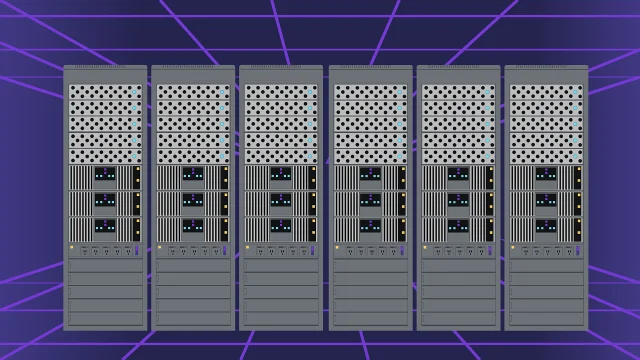
One detail that surfaces in the adjacent Stratechery analysis, and likely threads through the Bajarin conversation: Apple chose to expand Private Cloud Compute using Nvidia GPUs inside Google's data centers, rather than building proprietary inference clusters or leaning on Apple Silicon for cloud workloads. 2
For Bajarin, who tracks semiconductor market dynamics closely, that choice is a signal about the state of the AI infrastructure buildout. Nvidia's presence inside Apple's privacy-critical cloud stack means that demand for their hardware is broad enough to reach even the most vertically integrated company in consumer tech. It's a quiet confirmation that the compute arms race isn't slowing down — it's diversifying across more deployment contexts.

One thread to watch
Apple and Microsoft are now offering two coherent but opposite answers to the same question: where should AI compute live? Apple says the device is the anchor; the cloud is a trusted extension. Microsoft says the cloud is the anchor; the device is an interface. Both make sense given their installed bases and business models. The interesting test will be whether consumers ever actually need the agentic power that requires all that server-side compute. If they don't, Apple's bet looks sharp. If they do, the iPhone's centrality is a constraint, not an advantage.
Add more perspectives or context around this Post.